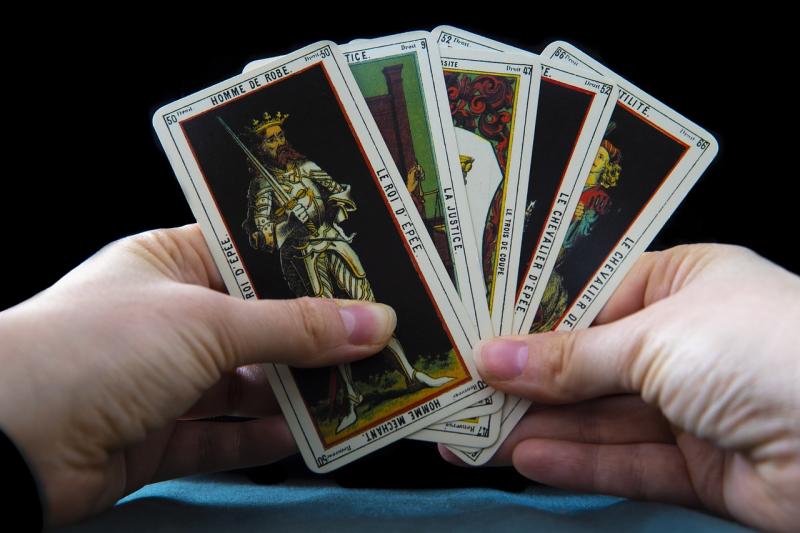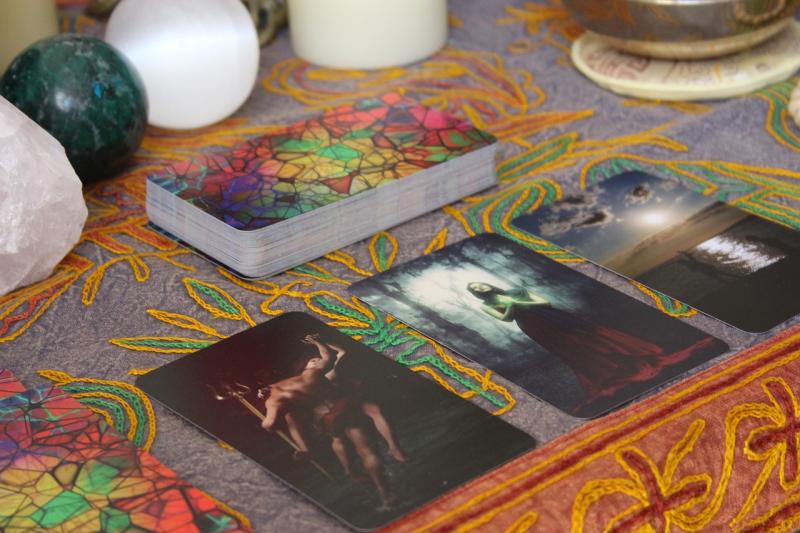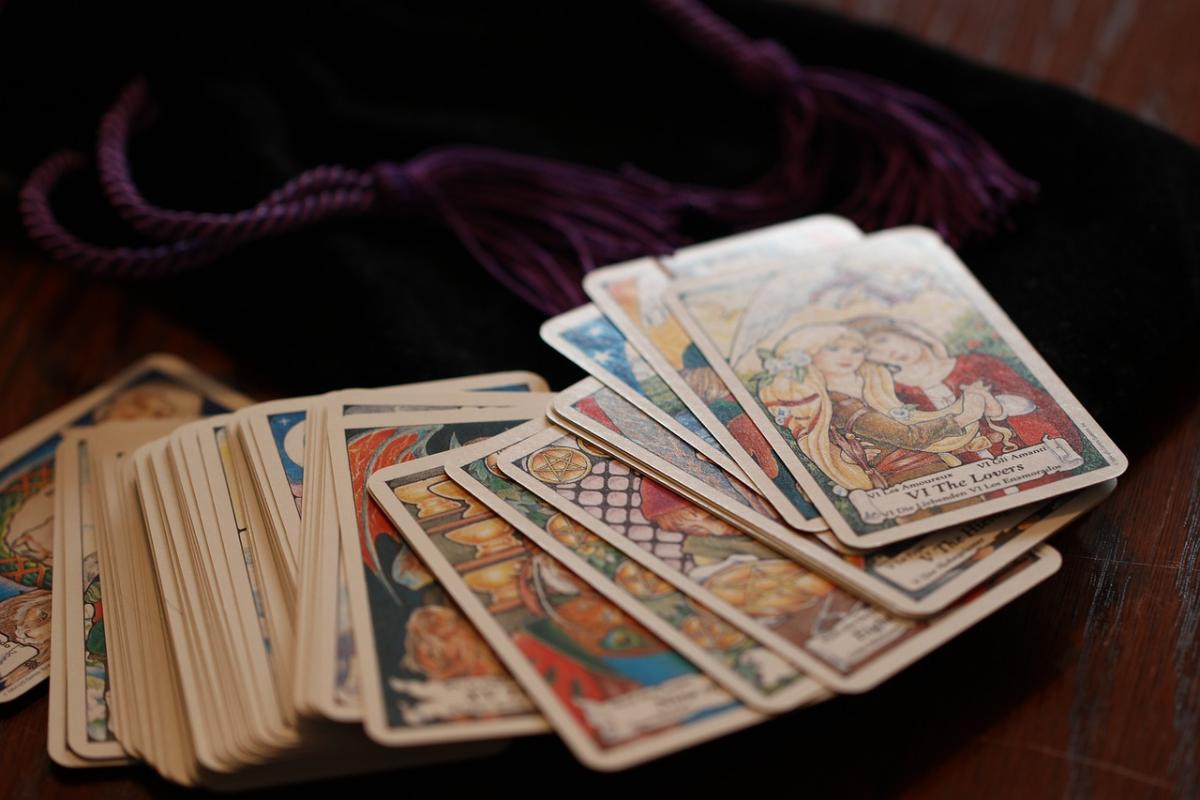
Let’s dive into the basics of tarot cards! Tarot cards are a deck of 78 cards, each with its own unique imagery and symbolism. They are typically divided into two main parts: the Major Arcana and the Minor Arcana. The Major Arcana includes 22 cards that represent significant life events and spiritual lessons. Think of them as the “big picture” cards that deal with more profound themes.
The Minor Arcana, on the other hand, contains 56 cards divided into four suits: Cups, Pentacles, Swords, and Wands. Each suit covers different aspects of life. Cups relate to emotions and relationships, Pentacles deal with material aspects and finances, Swords focus on thoughts and conflicts, and Wands connect to creativity and action. This variety gives tarot readings plenty of depth and wisdom to offer.
When you shuffle and draw cards, the positions they land in can change their meanings. A single card can bring different messages depending on its placement and surrounding cards. That’s part of the magic! Tarot is a powerful tool for self-reflection, helping you tap into your intuition and explore various angles of your life.
People often use tarot for guidance, decision-making, and clarity in challenging situations. Whether you’re a beginner or have some experience, learning the basics opens the door to deeper understanding. And remember, there’s no right or wrong way to read tarot; it’s all about what resonates with you and your journey!
Exploring Traditional Tarot Symbolism
When you dive into traditional tarot symbolism, it’s like opening a door to a whole new world of insight and clarity. The imagery on tarot cards isn’t just pretty pictures; each symbol carries deep meanings that connect to our emotions, experiences, and even the universe. Knowing what these symbols represent can really enhance your readings.
For example, the Star card often symbolizes hope and inspiration. It invites you to dream big and trust in the universe’s support. On the flip side, the Tower card signals chaos and unexpected change. It might feel a little scary, but it can also lead to valuable lessons and new beginnings. Recognizing these symbols helps you read the cards with both your intuition and understanding.
Another fascinating aspect is the major arcana versus the minor arcana. The major arcana cards tell big stories about life’s journey, while the minor arcana dives into everyday situations and experiences. Each suit in the minor arcana – cups, pentacles, swords, and wands – relates to different areas of life like emotions, finances, conflict, and inspiration. This breakdown makes it easier to pinpoint what your reading is all about.
Tarot isn’t just about the past or present; it can shine a light on your future, too. By taking the time to explore the symbolism behind the cards, you can gain valuable insights into what’s happening in your life right now and what you might want to focus on moving forward. It’s like having a friendly guide ready to help you navigate your personal journey.
The Unique World of Native American Tarot
Native American Tarot brings a fresh twist to the world of tarot. Unlike traditional tarot cards, which often focus on European symbolism, Native American Tarot blends rich cultural elements and spiritual beliefs from Indigenous tribes. This results in decks that connect deeply with nature, ancestors, and a range of universal themes.
When you dive into Native American Tarot, you’ll notice that the imagery is vibrant and meaningful. Each card often features animals, natural landscapes, and traditional symbols that hold significant meaning in Native American culture. For instance, cards may show the eagle, symbolizing freedom and vision, or the bear, representing strength and introspection. This connection with nature offers a unique perspective that enhances your readings.
Reading Native American Tarot cards feels different too. The interpretations encourage you to reflect on your own life experiences and how they relate to the natural world. You’ll find yourself asking questions about balance, harmony, and your place in the universe. It’s less about strict rules and more about discovering insights that resonate with you personally.
If you're new to tarot or a seasoned reader curious about different styles, Native American Tarot invites you to explore new dimensions of spirituality. It can deepen your understanding of yourself and the world around you, offering a unique path to insight and clarity in your life journey.
Choosing the Right Tarot for You
Choosing the right tarot deck can feel overwhelming with so many options out there. Each deck has its own vibe, artwork, and energy, so it really comes down to what resonates with you. Think about what draws you in—are you looking for beautiful imagery or a specific theme? Maybe you prefer a traditional style or something more modern.
Take a moment to explore a few decks before making a decision. You can find tons of options online or at local bookstores. Look at the artwork and see how it makes you feel. Do the images speak to your intuition? Trust your gut; if you have a strong pull toward a deck, that’s a good sign!
If you’re considering Native American tarot cards, it’s key to understand their cultural elements and symbolism. These decks often incorporate teachings, traditions, and spiritual insights unique to Native American cultures. Ask yourself if this connection feels authentic for you. It can deepen your understanding and enhance your readings.
Finally, don’t forget the importance of choosing a deck that feels right for your reading style. Are you drawn to intuitive interpretations, or do you prefer structured meanings? Your tarot journey should be enjoyable, so pick a deck that makes you excited to dive in and discover what the cards have to share.