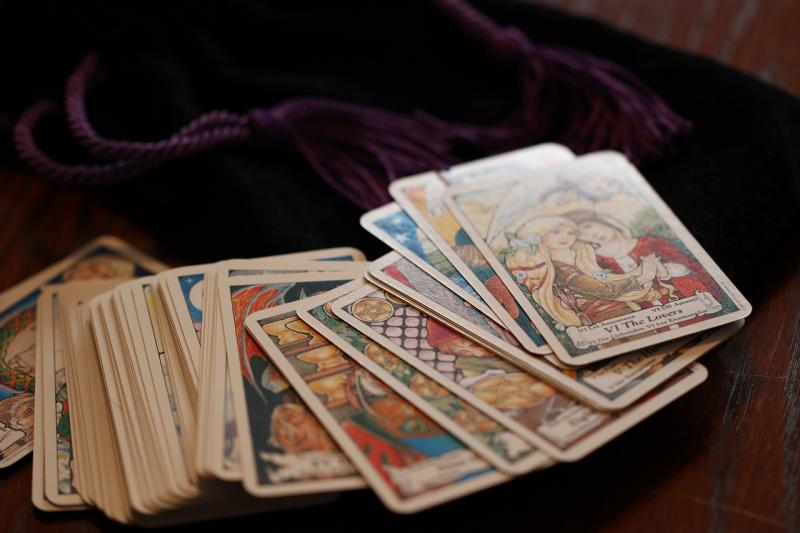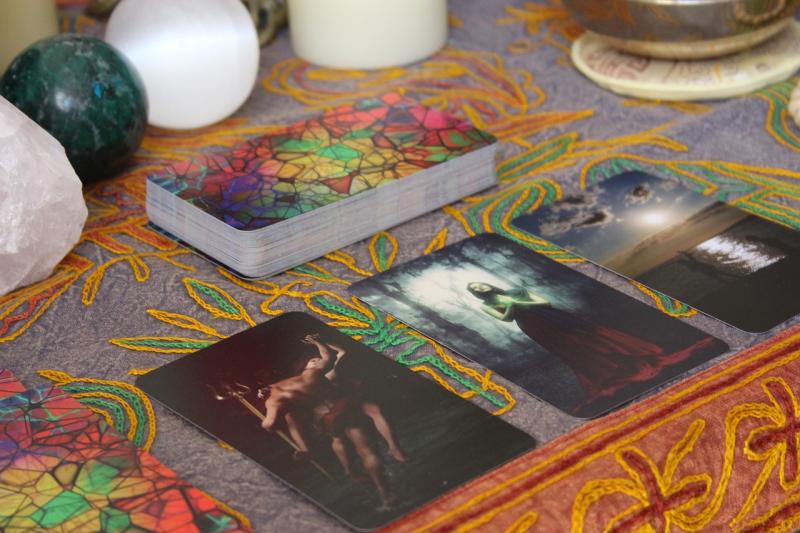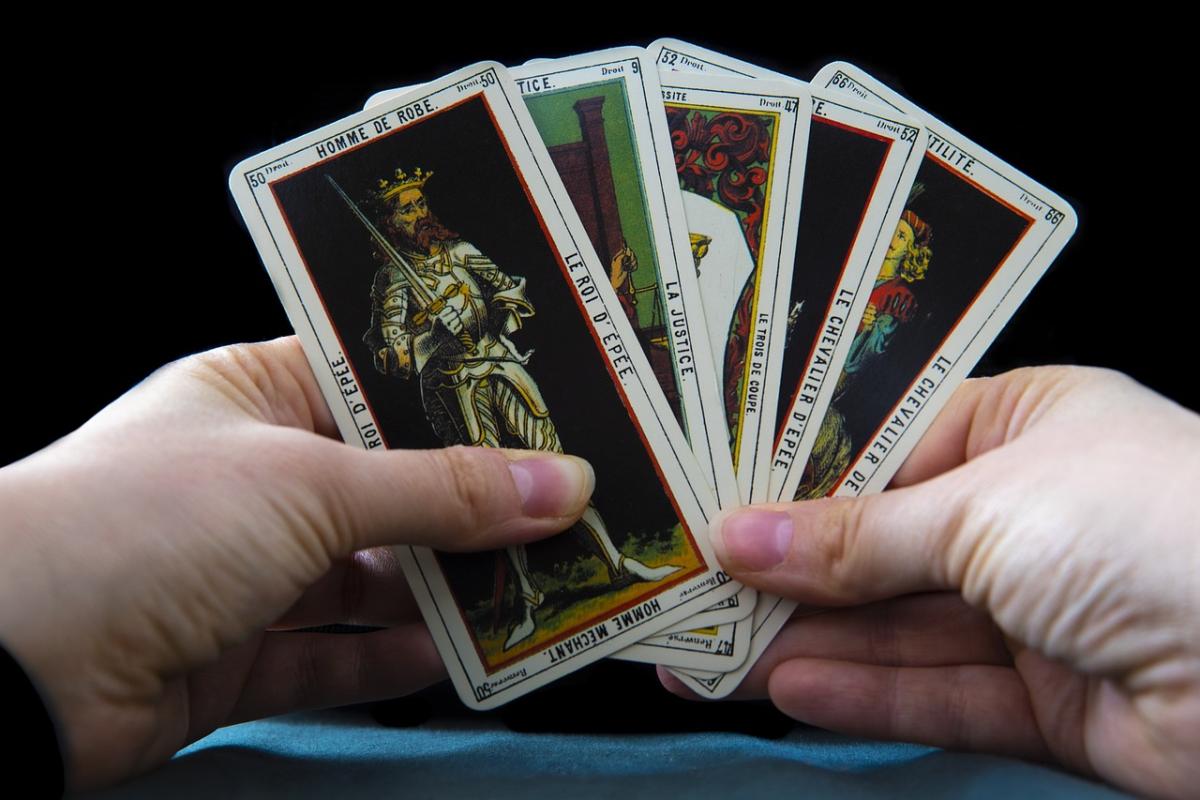
Are you curious about tarot cards but feel overwhelmed by all the mystical imagery and interpretations? Don’t worry, you’re not alone! Unlocking your tarot potential can feel like a journey, but with some guidance, it can also be a lot of fun.
Start by choosing a deck that resonates with you. There are so many styles out there, from classic Rider-Waite to more modern designs. Find one that speaks to your soul. Once you have your cards, spend some time getting to know them. Shuffle them, feel their energy, and maybe pull a card a day to see how it relates to your life. This daily practice really helps you connect.
Next, it’s all about intuition. Tarot is less about memorizing meanings and more about tapping into your inner voice. When you lay out your cards, take a moment to breathe and listen. What stories are they telling you? Jot down any thoughts or feelings that come up. This will strengthen your connection and make readings feel more personal.
Don’t forget the importance of spreads. Whether it’s a simple three-card layout or a more complex Celtic Cross, having a spread helps organize your reading. Each position in the spread has a specific meaning, guiding you through the message of the cards. The more you practice different spreads, the more confident you’ll become.
Finally, trust yourself! Tarot reading is a skill that improves with time. Join online groups or local meetups to share experiences and tips with others. You’ll find support, inspiration, and maybe even some new friends along the way. Embrace the journey and let your tarot potential shine!
Learn the Card Meanings
Understanding the meanings behind each tarot card is a key step in mastering tarot reading. Each card tells a story and carries unique energy that can offer insights into your life, relationships, and future. Let’s break down some of the core concepts you should know.
First off, the Major Arcana cards represent significant life events or lessons. Think of them as the big players in your tarot spread. Cards like The Fool symbolize new beginnings and adventures, while The Tower may indicate unexpected change or upheaval. Recognizing these cards can give you a deeper understanding of the bigger picture in your readings.
On the other hand, the Minor Arcana cards dive into the details of daily life. They are divided into four suits: Cups, Pentacles, Swords, and Wands. Cups deal with emotions and relationships, Pentacles focus on material aspects and finances, Swords highlight challenges and conflict, and Wands embody creativity and action. Each card in these suits has its own vibe, making them super relatable to various aspects of life.
Don’t forget, the position of the cards matters too! A card’s placement in a spread can shift its meaning. For instance, a card in the past position can reveal influences from earlier in your life, while one in the future position can hint at what's ahead. It’s like putting the puzzle pieces together to see the full picture.
Finally, trust your intuition as you learn. Sometimes, a card might stand out to you in a reading for reasons that aren't strictly textbook. Your feelings and insights can be just as valid as the traditional meanings. The more you practice, the better you’ll become at interpreting the cards in a way that resonates with you and those you read for.
Practice Your Reading Skills
Practicing your reading skills is a huge part of mastering tarot card reading. Grab your deck and start pulling cards daily. You don’t need a big elaborate setup. Just find a cozy spot, shuffle your cards, and get started.
One fun way to practice is by doing daily pulls. Choose one card each morning and take some time to reflect on it. Think about what that card means in your life at the moment. Jot down your thoughts in a journal. This helps you connect personally with the cards and solidifies your understanding.
Another method is to read for friends or family. It’s a relaxed way to gain experience and confidence. Invite someone to sit with you, shuffle the deck, and ask questions. Share your insights and let them guide the conversation. This real-time feedback can be invaluable.
Lastly, you can join online communities or local groups where people share readings and insights. Engaging with others can spark new ideas and deepen your understanding of each card. The exchange of interpretations and experiences is incredibly enriching.
Offer Insights and Guidance
Getting started with tarot can feel a bit overwhelming, but don’t worry. It’s all about connecting with your cards and learning how to interpret them in a way that resonates with you. The first step is to find a deck that speaks to you. There are so many options out there, from traditional Rider-Waite to more modern decks with vibrant art. Pick one that catches your eye and feels right for your journey.
When you sit down to read, take a moment to clear your mind. Focus on your intention for the reading—what do you want to know or understand better? Shuffle your cards while thinking of this question. Then, lay them out in a spread that feels comfortable. The three-card spread is a great starting point; it allows you to look at the past, present, and future in a straightforward way.
As you interpret your cards, don’t hesitate to trust your intuition. Each card has its standard meaning, but it’s your personal connection to the cards that will make the reading meaningful. Jot down what you feel when you look at each card, how it relates to your question, and any symbols or images that stand out to you. This practice builds your own understanding and vocabulary of tarot.
Finally, reflect on your readings. Whether the cards seem clear or confusing, take the time to think about how they apply to your life. Journaling can be a huge help here. Write about the insights you gain, your feelings during the reading, and how the cards manifest in your daily life. Over time, you’ll notice patterns and expand your skills. Tarot is a journey, and every reading brings you closer to mastering it.